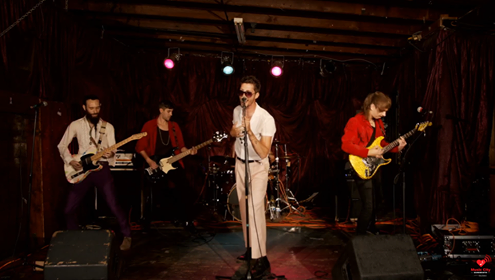
Jet Black Alley Cat presented by Music City Bandwidth
Jet Black Alley Cat is a band that I’ve been a fan of since sometime in 2018, after finding out they were playing a show near me and checking out the record that they released a year prior. The band recently put on a virtual concert, and I finally got to see a performance of theirs for the first time.
The show began with an instrumental intro as the band walked on stage and prepared to perform, and they followed that up with one of their most recent tracks, “Ex Lover Syndrome.” This song is off of their brand new EP “The Black Era,” which came out earlier this year. They also played three more songs off of this EP throughout the rest of their set – “Fight XVIII,” “Rewind,” and an interlude called “Unrealistic Love/Us.” The rest of the setlist consisted of a mixture of songs from both of their albums. They played almost the entirety of their 2017 debut “Part One” (except for the interlude and introductory track), which includes some of my favorite songs of theirs – “Poison,” “She’s Alright,” and the track that got me into their music in the first place, “Roxy.” They also played their debut single “Pretty Girl” early on in their set, as well as a few songs from their 2018 album “Motel” (“Nightlife,” “Foolish,” “Miami Baby,” and another interlude called “Pretty Magic”).
The vocalist put on a captivating performance throughout the entire set (and the vocal harmonies added more emotion and emphasis to the performance), the instrumentalists brought so much energy, and the entire band just brought so much charisma to the stage and were really engaging performers. This was technically my first time watching a live performance of theirs and it did not disappoint.
SETLIST:
1. Intro 2. Ex Lover Syndrome 3. Golden
4. Nightlife 5. Electric Raazors 6. Pretty Girl
7. Unrealistic Love/Us (Interlude) 8. Memphis Blues 9. Fight XVIII
10. Roxy 11. High Class Women 12. Pretty Magic (Interlude)
13. Foolish 14. Miami Baby 15. Rewind
16. She’s Alright 17. Poison
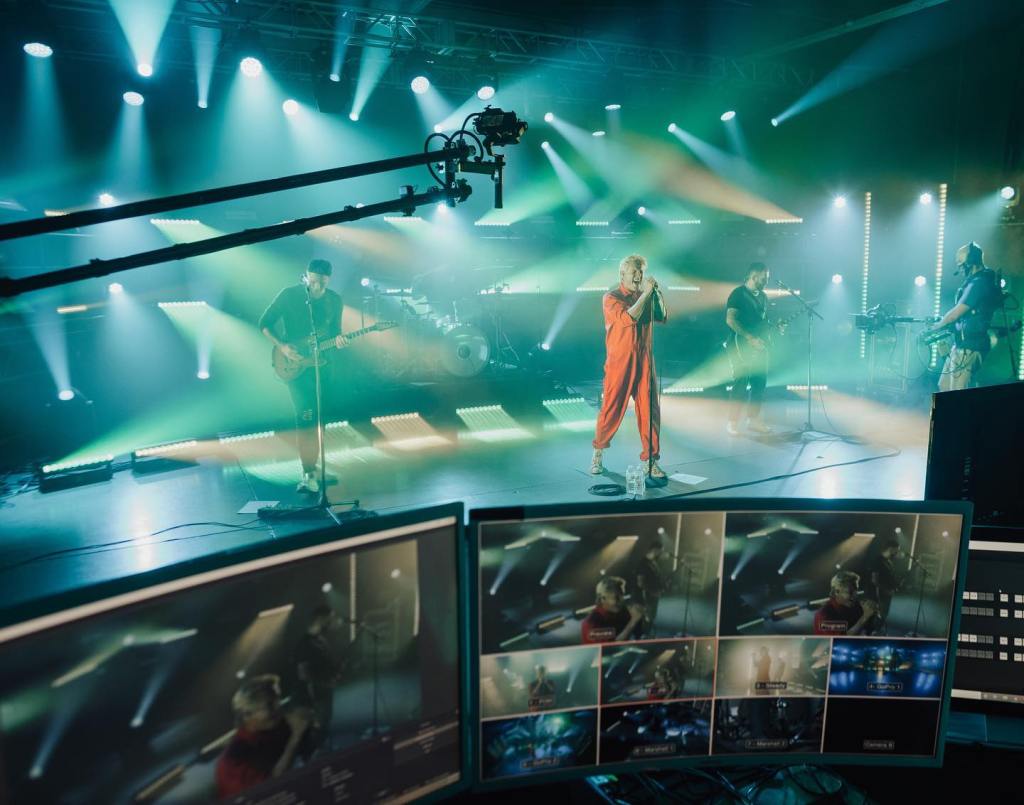
The show was streamed at The End in Nashville, Tennessee, and was hosted by Music City Bandwidth. For more information on their virtual live shows and how you can support The End and other local Nashville venues, go to www.musiccitybandwidth.com.
October 25th, 2020 presented by Music City Bandwidth
Due to the ongoing COVID-19 pandemic, in-person concerts haven’t been going on for the large majority of this year. However, virtual shows are becoming more and more popular, and in recent months, more and more bands and artists have started to put on shows in this particular format. A few weeks ago, a handful of local venues in Nashville, Tennessee – known as “Music City” – began hosting a series of free virtual shows with local bands and musicians, and one of the bands performing was emo quartet Free Throw.
I saw this band perform in Denver, Colorado last September, and over the past year, I’ve become a bigger fan of them, so I decided to watch this virtual performance.
They opened up their set with one of my favorite songs of theirs, “The Corner’s Dilemma.” This is arguably one of the most popular songs off of their latest full-length, last year’s “What’s Past Is Prologue,” and they played a couple of other songs off of this record as well: “You Don’t Say That,” “Tail Whip, Struggle,” and “Cerulean City.” To follow up that release, the band also dropped two new singles earlier this year, and they played one of those two songs – “Motorcycle, Motor?.”
While the band incorporated some of their most recent hits into their setlist, they also played a lot of older material. In addition to playing some of their more popular songs from their first couple of albums (“Tongue Tied,” “Pallet Town,” “Two Beers In,” “Randy, I Am The Liquor,” and “Better Have Burn Heal”), they also played some underrated tracks that haven’t been in their setlists as much (“An Hour Pissed,” “Weight On My Chest,” “Andy And I, Uh,” and “Hope Spot”). Similarly to the last tour I saw them on, their setlist spanned across all three of their LPs, and I liked the fact that they put so much variety into this sixteen-song, hour-long setlist.
One thing that I love about this band’s music is the amount of emotion that they put into it, and I think that in a live setting like this, that raw emotion gets to shine through even more. Musically, I really like the dynamics and intricate instrumentation found within their songs, and those aspects of these tracks really stood out during the performance as well.
I thought that Free Throw put on a really good live show when I saw them for the first time last fall, and I can definitely say the same for this virtual show as well. This performance incorporated everything I love about the band’s music and live shows, and overall, it was an entertaining one to watch. The show was streamed at The End in Nashville, Tennessee, and was hosted by Music City Bandwidth. For more information on their virtual live shows and how you can support The End and other local Nashville venues, go to www.musiccitybandwidth.com.
I first discovered Happy. through the singles from their 2018 debut album, “Cult Classic,” and have been an avid fan of the band’s music ever since, so their sophomore album “Imposter Syndrome” quickly became one of my most anticipated releases for 2020, and it did not disappoint.
The album kicks off with the one-two punch of the first two singles – “Sick Is The New Sane” and “A Cure For Wellness,” both of which deliver catchy instrumentals and melodies throughout, and that memorability makes both of them great choices for singles. The third track, “Hooky,” is a bit softer than the two tracks before it (although the vocals and drums get louder as the song builds up to its upbeat chorus, and the instrumentals are harder-hitting during the bridge), and longtime fan favorite “Liarliar” puts a slightly more aggressive twist on the band’s pop-punk sound with punk-influenced instrumentals and raw vocals that perfectly convey the emotion in the lyrics.
“Dull Boy,” fourth single “Background Noise,” and “After School Special” all follow a very similar pattern as the first couple of tracks, driven by upbeat, hard-hitting instrumentals leading up to some more very memorable choruses. “April Is For Fools” brings a bit more energy to the table, and in addition to being one of the catchiest songs on here, it’s also one of the most powerful lyrically, paying a meaningful tribute to a friend of the band. “June Gloom” is very energetic as well, and showcases the “punk” side of the band’s pop-punk sound through that energetic instrumentation, which delivers some darker composition at the end before the song transitions into the closing track, “Black Picket Fence.” This track is primarily led by an acoustic guitar and softer vocals until hard-hitting instrumentals come in at the end to close out the song and the album on a very strong note, and the tempo changes throughout the song make it even more interesting to listen to.
Young Culture is a band that’s been on my radar for quite a few years now, and the release of their third EP “(This Is) Heaven” last year only made me a bigger fan of their music, so I’ve been highly anticipating the release of their self-titled debut full-length.
The album opens with its introductory track, “Bloodthin,” beginning with softer guitars and vocals that bring catchy riffs and melodies early on before the instrumentals get louder and harder-hitting in preparation for the huge chorus that concludes the song as it transitions into the next track, “Compass.” The instrumentals are softer in the verses, letting the vocals show off at first, and the guitars, bass, and drums help build up the first couple of sections to the song’s very catchy chorus.
That track is one of quite a few that traces back to the band’s pop-rock and alternative roots, and a perfect example of this is “American Idle,” which contains harder-hitting instrumentals that bring so much energy to the song, especially leading up to the anthemic chorus. Another great example of this is the lead single “Holiday In Vegas,” which is driven by catchy guitars and drums leading up to another unforgettable chorus that listeners will likely want to sing along to. “Better Off As Friends” is another pop-rock influenced track filled with catchy composition as well, and it perfectly showcases the transition from the sound of the band’s older material to the sound of this album.
Speaking of which, the band experimented with their sound quite a bit on this record – primarily by incorporating a lot of poppier influences – and quite a few tracks on here showcase that side of the album’s overall sound. The second single, “I’ll Be There,” is led by softer instrumentation, which accompanies the vocals as they provide catchy melodies and a positive message to remind the listeners that no matter what they are going through, things will be okay. “Anywhere I Go, I’m Taking You With Me” sounds kind of similar musically, as it’s also slower and led by softer vocals and instrumentals at first, but the hard-hitting drums help prepare the song for its bigger choruses, especially the final one, which contains a stellar vocal performance. “Fantasy” begins on a softer note as well and brings some very catchy melodies and riffs as it leads up to the chorus, where the shimmering synths aid the guitars and drums that drive the more midtempo rhythm. The fourth and final single “Hailey Beverly 2016” contains soft instrumentals and poppier influences as well, and it’s arguably the most experimental track found on the album. The album concludes with the acoustically driven “Laylo,” and while the vocals are a lot softer for most of the song, they get louder during the bridge, where they put on a strong performance with a lot of emotion.
Young Culture’s self-titled debut shows the experimentation and evolution of the band’s sound through the combination of various influences found within these ten memorable tracks.
Just over ten years ago, The Word Alive released their debut album, titled “Deceiver.” Last summer, they did a tour where they played this album in full, and recently (just over a year after that tour), the band did a virtual show to commemorate this anniversary one final time.
The band’s setlist consisted of “Deceiver” in its entirety, from the popular singles “Epiphany,” “The Hounds Of Anubis,” “The Wretched,” and “2012,” to some of the more underrated tracks like “Dream Catcher,” “You’re All I See,” “Consider It Mutual,” and “Epiphany,” songs that didn’t appear much in their setlist until the tour they embarked on last summer (which I attended the Denver date of), where they played this album in full. One major difference between the setlist for that tour and the setlist for this virtual show is the fact that this time around, the band also played a couple of the tracks that were on the deluxe edition of this album – “Lights & Stones” and “Apologician,” as well as a cover of Kanye West’s “Heartless.”
There were quite a few things that stood out about the performance in this virtual show. For instance, this record has many impressive guitar solos, and those solos really grabbed my attention during this performance. In addition, this band puts a lot of emotion and passion into not only their music and lyrics but also their live performances, and this performance was no different; I feel like that emotion and passion really shined through during this show.
“Deceiver” is an important album in The Word Alive’s history as a band and this virtual show was a great way to celebrate a decade since its release.
Over the course of the 2010s (and particularly within the second half of this past decade), Knuckle Puck has gotten a lot of recognition and has quickly become one of the biggest bands in the modern pop-punk scene. With the new year and the new decade came new music from the Chicago, Illinois-based quintet, leading up to the release of their highly anticipated third full-length album, titled “20/20.”
The album kicks off with its title track, “20/20,” which brings catchy guitars in its intro before more instruments and the vocals come in during the verses. The hard-hitting drums really stand out in the song’s pre-chorus and memorable chorus, and both the guitar and bass bring some more catchy riffs during the bridge. Second up is the upbeat lead single “Tune You Out,” where the vocals really grabbed my attention during the captivating chorus, and some shouted vocals and a spoken word section are incorporated during the bridge. The third track, “Sidechain,” is one of the catchiest on the record, “Into The Blue” brings hard-hitting and catchy instrumentation and a vocal performance with tons of emotion, and both tracks bring just as much energy as the first two tracks on the album.
Speaking of which, there’s plenty of energy to be found on the remaining tracks of “20/20,” particularly within tracks four, five, and six. The second single “RSVP” shows that right off the bat through the catchy riffs that drive the intro, as well as the drumbeats and bass riffs that stand out in the verses, where the vocals bring some catchy melodies, and catchy composition is also found in the third single “Breathe,” leading up to its huge chorus. The fourth out of the five singles released, “What Took You So Long?” is probably one of the most energetic tracks on here, and the instantly memorable hooks and choruses made it quickly become one of my favorites on the record. The instrumentation in the intro of “True North” brings plenty of energy early on as well, leading up to another upbeat and catchy chorus before the song slows down at the very end and fades out beautifully.
“Earthquake” was a track that quickly stood out to me, partially because it’s a lot slower in comparison to most of these tracks, and in addition to that, it’s filled with very catchy riffs and melodies, and the chorus is one of the most memorable ones on this album. “Green Eyes (Polarized)” is another standout, with some softer vocals and instrumentation leading up to the bigger chorus, as well as a catchy guitar solo before the chorus returns for the last time. The closing track “Miles Away” has a huge chorus as well, followed by a harder-hitting bridge with passionate vocal and instrumental performances, before the softer ending concludes the album strongly.
Across its eleven tracks, “20/20” is filled with many memorable moments, from the catchy instrumentals and melodies to the attention-grabbing performances, and it’s a remarkable new record from Knuckle Puck.
Over the past few years, Movements have quickly become a household name in the pop-punk, emo, and alternative scene, especially after the release of their 2017 debut LP, “Feel Something.” Three years later, the Southern California-based quartet has returned with their highly-anticipated sophomore album, titled “No Good Left To Give.”
The album begins with “In My Blood,” which instantly brings darker composition in its intro, driven by bass and guitars before the harder-hitting drums kick in. The vocals are a lot softer at first, but gradually get louder during the pre-chorus and chorus, leading up to the bridge, where catchy instrumentals accompany a powerful and emotional vocal performance before the song fades out, starting off this record on a very strong note.
The three tracks that follow are the three singles that came out prior to the record’s release date, and they all show how the band has evolved their sound and how they’re experimenting with other elements on this record. “Skin To Skin,” the second of these three singles to be released,” is the most experimental of the trio, and is a perfect example of this, as it starts out with softer vocals before a bigger and harder-hitting chorus where those vocals and the instrumentals shine, while also adding extra instruments into the mix, joining forces with more catchy instrumentals to help drive a rhythm that makes the listener want to dance along to the track. The lead single “Don’t Give Up Your Ghost” also starts out with piano and softer instrumentals before leading up to a more upbeat chorus containing a memorable hook that’s been stuck in my head since the song was first released this past summer. The fourth track on here is the third and final single, “Tunnel Vision,” starting off with a darker intro before the energetic drums stand out during the first verse and pre-chorus as they build the song up to its huge chorus, which showcases so much emotion in both the vocal and instrumental performances. The same amount of emotion is also shown through the harsher vocals found in the second chorus, bridge, and ending later on in the track, and I think that this track overall was a great choice for a single because it shows how the band‘s sound has evolved over the last few years.
“Garden Eyes” quickly brings plenty of energy in its intro, leading up to its chorus, which is one of the catchiest choruses offered on this entire record. Speaking of catchy composition, “Santiago Peak” includes plenty of that, from the simple guitar and bass riffs that open the track to the melodies in the verses and hard-hitting chorus, where both the vocals and instrumentals really stand out. The track prior to it, “Living Apology,” also contains catchy melodies that get even better during the pre-choruses, and similarly to “Tunnel Vision,” the bridge also contains some shouted vocals that are reminiscent of some of Movements’ older material. “Moonlight Lines,” which appears closer to the end of the record, is undoubtedly the most energetic one on here, with the guitars, bass, and drums driving that faster-paced rhythm in preparation for another huge chorus that delivers catchy composition through passionate performances, and the spoken word sections in the second verse and at the end remind me of a lot of the band’s early work.
Amidst these more upbeat and more energetic tracks, the band takes some time to slow things down for a bit. “12 Weeks” adds some acoustic guitar and cleaner electric guitars, and the softer vocals in the verses match those perfectly. The vocals get a lot louder in the chorus, and the bridge has a catchy guitar solo and harmonies that really emphasize the overall vocal performance in that section. Softer instrumentals drive the slower rhythm of “Seneca” before it becomes more hard-hitting, and more instrumentals kick in before the second verse, leading up to the bridge, where another emotional vocal performance resides. Second to last is the album’s title track, “No Good Left To Give,” and the minute-and-a-half-long interlude is driven by a catchy piano part before the drums kick in, and while those drums contrast from the piano, softer vocals, and the subtle and simplistic lead guitar that gets added in later on, they all fit together very well. “Love Took The Last Of It” concludes this album, instantly bringing hard-hitting instrumentals and catchy melodies. The vocals are a bit louder during the verses, especially in comparison to some of the earlier tracks, and the instrumentals do a great job at building up to the song’s chorus, which reminds me a bit of the choruses on a couple of the tracks from “Feel Something” – particularly “Daylily” and “Suffer Through.” This is another one of the catchiest tracks on the record and makes a fantastic closing track.
Just like on previous releases, there’s a bit of a variety regarding the lyrical content and the topics discussed in the lyrics throughout this record. There are a few tracks centered around love & relationships, from infatuation and seduction (“Skin To Skin”) to heartbreak and regret (“In My Blood,” “Seneca,” “Love Took The Last Of It”). Mental health is a topic that this band has previously incorporated into a lot of their lyrics, and they continue that conversation on this album as well, with songs sparking discussions about things such as suicide (“Don’t Give Up Your Ghost”) and depression (“Tunnel Vision”).
From the candid and creative lyrics to the compelling performances, “No Good Left To Give” is a stellar sophomore effort from Movements.
Friendly reminder that our team has been interviewing many talented guests via zoom and live streaming them onto our Facebook page. Be sure to head over to our Facebook page if you haven’t yet to check those interviews out! Thank you all for your continued support. -Cristine
Singer/songwriter, Meïa, is raising money for her upcoming album and music video due to the effects of COVID. A portion of the money will be going to Safe Horizon, which empowers victims and survivors to find safety, support, connections and hope. Any bit helps, and with your support, artists like Meïa can continue creating music.
A word from Meïa, ” I’m Meïa, a Spanish singer-songwriter, actress and performer from Barcelona, Spain. I moved to NYC almost two years ago where I’ve been working on many exciting projects. Today, I am asking for your support to help me record my next album, new music video and promotion. As you know, these are difficult and challenging times. Covid-19 and many other issues have taken over our lives. So, I want to lift us up from these dark times with a message of hope. My mom got Covid and was at hospital under severe treatments while I was here . Not being able to see her has been the most painful thing that I’ve ever experienced. Making music has helped me to get through these difficult times and has kept my faith in life. I dedicate this whole project to my mom. With my music I want people to reconnect with this primordial passion, with the joy for life.”
Following the release of 2018’s “The Future,” From Ashes To New are back with their third LP, titled “Panic.”
The album opens up with “Scars That I’m Hiding,” which starts off on a more melodic note as it leads up to the huge chorus, which showcases some raw, emotional vocals and harder-hitting instrumentals. The lead single “What I Get” is pretty similar, as it’s another more melodic rock-leaning track and also contains a huge, catchy chorus. This one also adds in some rapping, something that’s shown throughout a lot of the rest of this album. Two great examples of this are “Bulletproof,” a very powerful track which alternates between rap-filled verses and its hard-hitting choruses and bridge, and the closing track, “Change My Past,” where the drums really stand out as well, especially as they accompany the rapping the verses before the guitars and vocals really kick in during the chorus.
A few songs on here not only combine these influences, but also mix in some of the elements that the band experimented with on “The Future.” “Wait For Me” is a great example of this, as it starts out on a much softer note with one of the catchiest hooks on the entire record, and the verses are a bit softer as well before more instrumentals get added in during the huge chorus, followed by a catchy guitar solo later on. “Blind” mixes in some synths and poppier elements, while still incorporating elements of rap in the pre-choruses and rock and metal in the huge choruses with raw, emotional vocal performances and hard-hitting instrumentation. “Brick,” another one of the catchiest songs on the album, brings a perfect combination of the band’s rap and rock influences and mixes in some synths during the intro and outro.
A couple of tracks lean towards the heavier side, such as “SideFX,” with darker melodies delivered through a very intriguing and sort of haunting vocal performance and some heavier vocals and instrumentals that get mixed in, and “Nothing,” which immediately opens with shouted vocals and heavier instrumentals before rapping is mixed in during the verses and the pounding drums help build the song up to its huge chorus, which references that heavier intro. The remaining two tracks – the single and title track “Panic” and the second-to-last track “Death Of Me” both combine the various influences found on this album as a whole.
“Panic” shows From Ashes To New continuing to evolve and define their sound, and it’s another great album from them.
Friendly reminder that our team has been interviewing many talented guests via zoom and live streaming them onto our Facebook page. Be sure to head over to our Facebook page if you haven’t yet to check those interviews out! Thank you all for your continued support. -Cristine